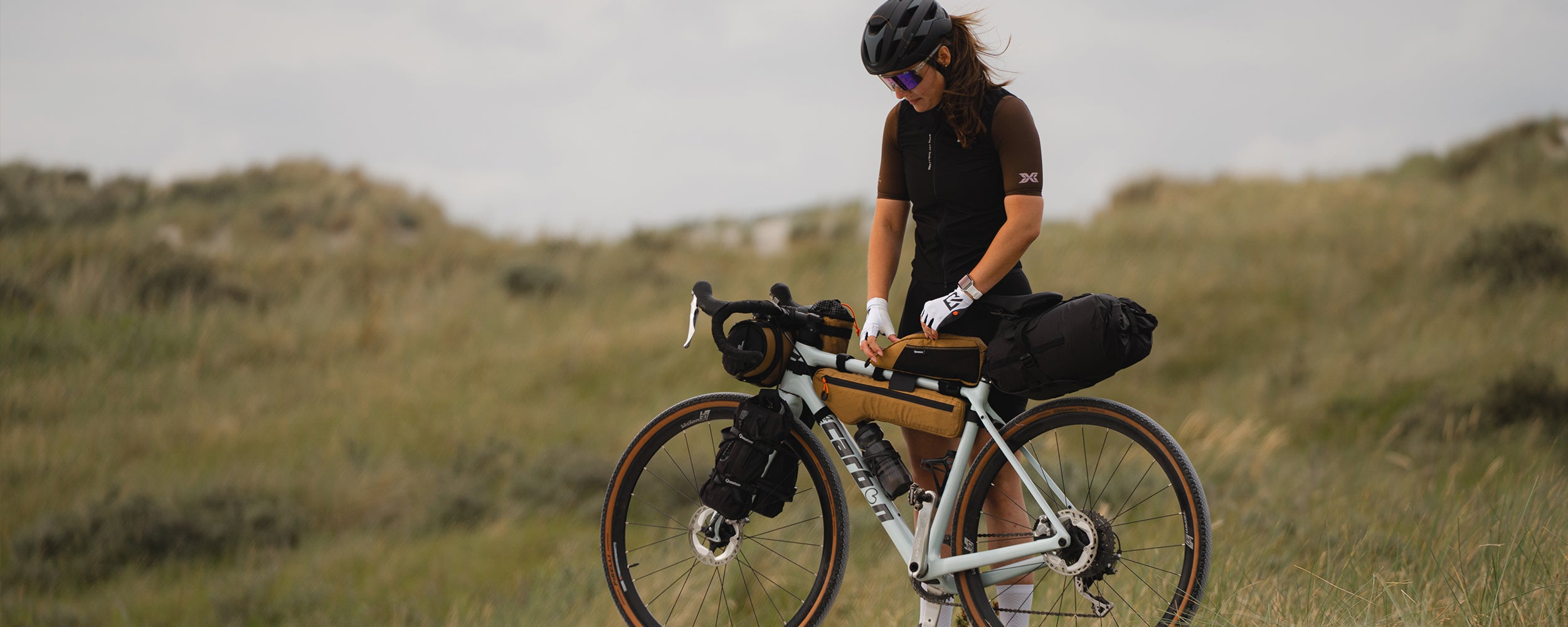

Most people don' t realize they' re overpacking—until they' re halfway through a hike, adjusting their shoulder straps, wondering why their pack feels so heavy.
The truth is, overpacking rarely comes from ignorance. It comes from uncertainty.
You don' t know exactly what you' ll need, so you bring more than necessary. And in spring—when conditions feel unpredictable—that instinct gets even stronger.
But here' s the reality:
Most outdoor packs aren' t heavy because of essentials.
They' re heavy because of low-confidence decisions repeated across every category.
This guide is about fixing that—by showing exactly what people overpack, why it happens, and what to cut without sacrificing comfort or safety.
Overpacking Is a Decision Problem, Not a Gear Problem
People often think they need lighter gear. In most cases, they actually need fewer items.
Overpacking happens when small “just in case” decisions stack up:
- One extra layer turns into three
- One backup item becomes a duplicate system
- One comfort item becomes five
Individually, each choice feels reasonable. Together, they create unnecessary weight.
The goal isn' t to be minimalist.
The goal is to be intentional.
Where Most People Overpack (And What to Cut First)
If you want to lighten your setup quickly, don' t optimize everything—start with the biggest offenders.
Clothing: Packing for Every Scenario Instead of One System
Most people don' t pack clothing—they pack options.
That usually looks like:
- Multiple jackets for different temperatures
- Extra outfits for each day
- Backup layers that serve the same purpose
The problem is redundancy.
Instead of thinking in pieces, think in systems.
A simple spring layering system already covers most conditions:
- One base layer (moisture-wicking)
- One insulating mid-layer
- One weatherproof shell
That combination handles cold mornings, warm afternoons, and light rain—without needing extra items.
If two pieces serve the same role, one of them is unnecessary.
Cooking Gear: Bringing a Kitchen Instead of a System
Cooking gear gets overpacked because people plan for variety instead of efficiency.
Common mistakes:
- Multiple pots “just in case”
- Separate tools for each function
- Overestimating how much they' ll cook
But most outdoor meals are simple by design.
A single pot, a compact stove, and one utensil can handle almost everything.
Anything beyond that should justify its weight.
If an item only improves convenience slightly but adds bulk, it' s usually not worth bringing.

Sleep Setup: Overpacking for Comfort That Doesn' t Scale
Comfort is important—but many people try to recreate home comfort outdoors.
That leads to:
- Oversized sleeping bags
- Bulky pillows
- Thick, heavy pads
The issue isn' t comfort—it' s inefficiency.
Modern sleep systems are designed to balance warmth, weight, and packability.
A 3-season sleeping bag, a compact pad, and improvised support (like clothing as a pillow) already cover most spring conditions.
Beyond that, you' re adding weight faster than you' re adding real comfort.

Tools & Backup Gear: Solving Problems That Rarely Happen
This category is driven almost entirely by “what if.”
People bring:
- Full repair kits
- Multiple cutting tools
- Backup versions of critical gear
But most trips don' t require complex fixes.
Instead of packing for every possible failure, pack for likely scenarios:
- A multi-tool
- A basic repair kit relevant to your activity
- A small first aid kit
If you can' t clearly define when you' d use an item, it probably doesn' t belong in your pack.
Small Items That Quietly Add Weight
The biggest problem isn' t always one heavy item—it' s accumulation.
Things like:
- Toiletries
- Accessories
- “Nice-to-have” extras
These rarely feel heavy individually, but together they can add several pounds.
The fix is simple:
Audit the small things as aggressively as the big ones.
How to Actually Pack Lighter (Without Guessing)
Cutting weight isn' t about random reduction—it' s about making better decisions.
Eliminate Redundancy First
Before upgrading gear, remove overlap.
Ask:
- Do I have multiple items doing the same job?
- Can one piece replace two?
This is the fastest way to reduce weight without spending money.
Pack for Use, Not Possibility
Most overpacking comes from preparing for unlikely scenarios.
Instead, base your decisions on:
- Trip length
- Weather forecast
- Activity type
If something solves a low-probability problem but adds significant weight, it' s usually not worth it.
Review After Every Trip
Experience is the best optimization tool.
After each trip, identify:
- What you didn' t use
- What felt unnecessary
- What you actually relied on
Then adjust.
Over time, your pack becomes naturally lighter—not because you forced it, but because you refined it.

Spring-Specific Reality: You Don' t Need More Gear—You Need Better Choices
Spring conditions feel unpredictable, but they' re actually manageable with the right approach.
Temperature swings? → Layering solves it.
Wet conditions? → Quick-dry materials solve it.
Longer days? → Less reliance on extra gear.
Most “extra” items people bring for spring are compensating for poor systems—not real needs.
A Simple Rule to Keep You From Overpacking
If you remember one thing, make it this:
Every item in your pack should solve a clear, likely problem.
If it doesn' t:
It' s either redundant
Or it' s unnecessary
That single filter will eliminate most overpacking mistakes.
Final Thoughts: Lighter Packs Come From Better Decisions
Packing light isn' t about discipline—it' s about clarity.
Once you understand what each item is actually doing for you, it becomes much easier to remove what isn' t.
And when you do, everything changes:
- Movement feels easier
- Trips feel less tiring
- The experience becomes more about the outdoors—and less about managing your gear
Most people think they need better equipment.
In reality, they just need to pack with more intention.